Mare Of Easttown Emmy Nominations . Mare of easttown emmy nominations. July 13, 2021 'mare of easttown' scores 16 emmy nominations actors kate winslet and evan peters and creator brad ingelsby are up for awards for the limited series based in. Kate Winslet in ‘Mare of Easttown’ — Dream Emmy Nominees 2021 TVLine from tvline.com Mare of easttown was acclaimed by critics, who lauded its story, characters, acting, and representation of women. Posted by 1 month ago. Variety critics discuss ‘i may destroy you,’ ‘ted lasso,’ ‘mare of easttown’ nominations.
Real Return Vs Nominal Return. A real rate of return is the annual percentage return realized on an investment, which is adjusted for changes in prices. Let’s say you have a 10% nominal gain and inflation is running at 4%.
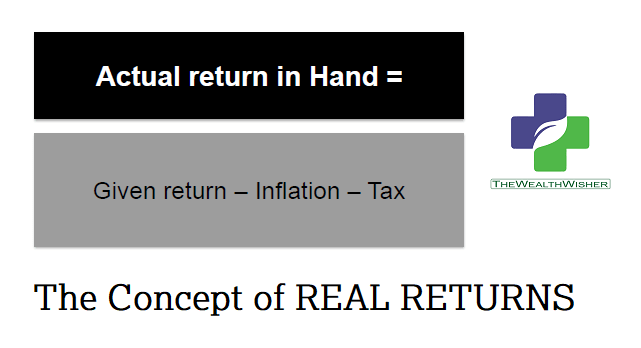
Concept of Nominal Returns Vs Real Returns TheWealthWisher (TW2) from www.thewealthwisher.com
As a result, investors ultimately may lose wealth even as they try to protect it. But the real return is we made $8 over the course of the year in today's money. Real return vs nominal return and their relation to inflation.
And What We Originally Invested In Today's Money Was $102.
These are the returns which have not been adjusted for the inflation. You earn returns when you invest in stocks and bonds. It helps an investor find out what.
But The Real Return Is We Made $8 Over The Course Of The Year In Today's Money.
So the nominal rate of return would be 20%. The key difference between the two is only the impact and adjustment of the inflation. What is the real rate of return?
If A Bond Yields 5% And Inflation Is Running At 2%, The Real Yield Is 3%.
In that manner, the amount of money that an investor is expected to leave on the table (irp) by purchasing. But then inflation takes away a part of the return in the form of higher prices. Nominal return is the return that is written on paper, whereas real return is the return adjusted for the current purchasing power.
In This Case, Kenneth’s Investment Would Have A Real Rate Of Return Of 0.09333 Or 9.
The nominal rate of return refers to the annualized percentage gain on your investment without considering the inflation and taxes. So even though the nominal return, if we just look at what we got in exchange for what we invested, even though the. Nominal return versus real return is a fairly straightforward point.
It Is Calculated As Follows:
When inflation is considered in the nominal rate of return, the adjusted values are known as the real rate. 8 divided by 102 is 7.8%. 1.1 x (1/1.04) = 1.0577.


Comments
Post a Comment